The Heroic Fr. Mullon
And a Visit to St. Patrick's in New Orleans

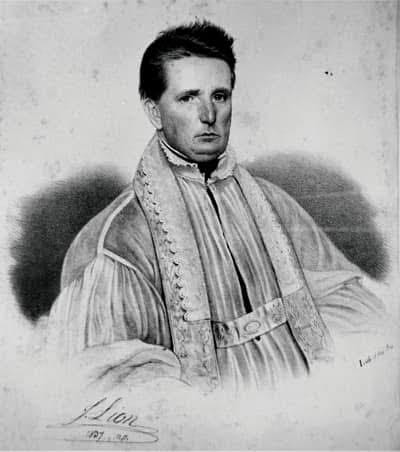
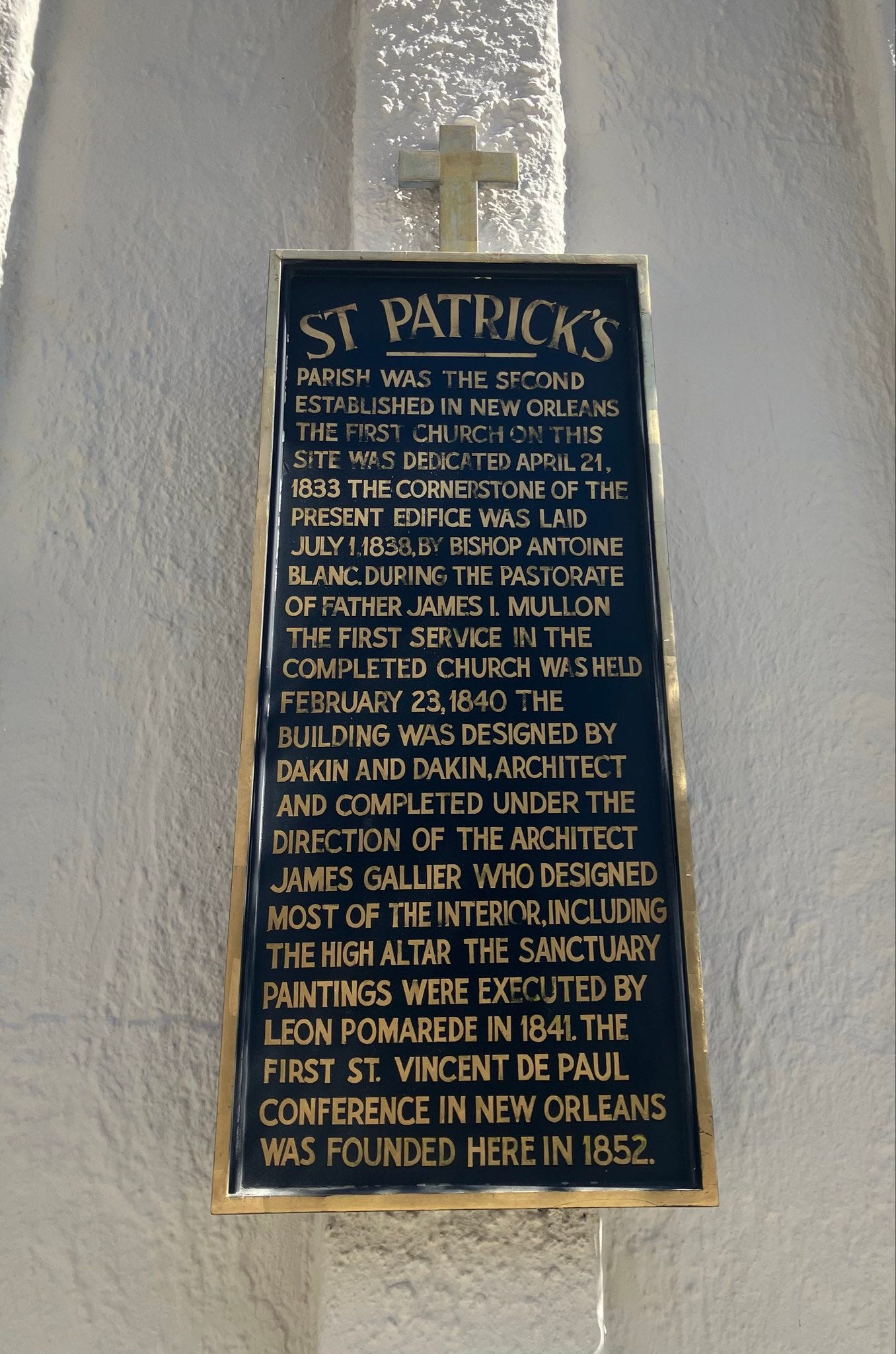
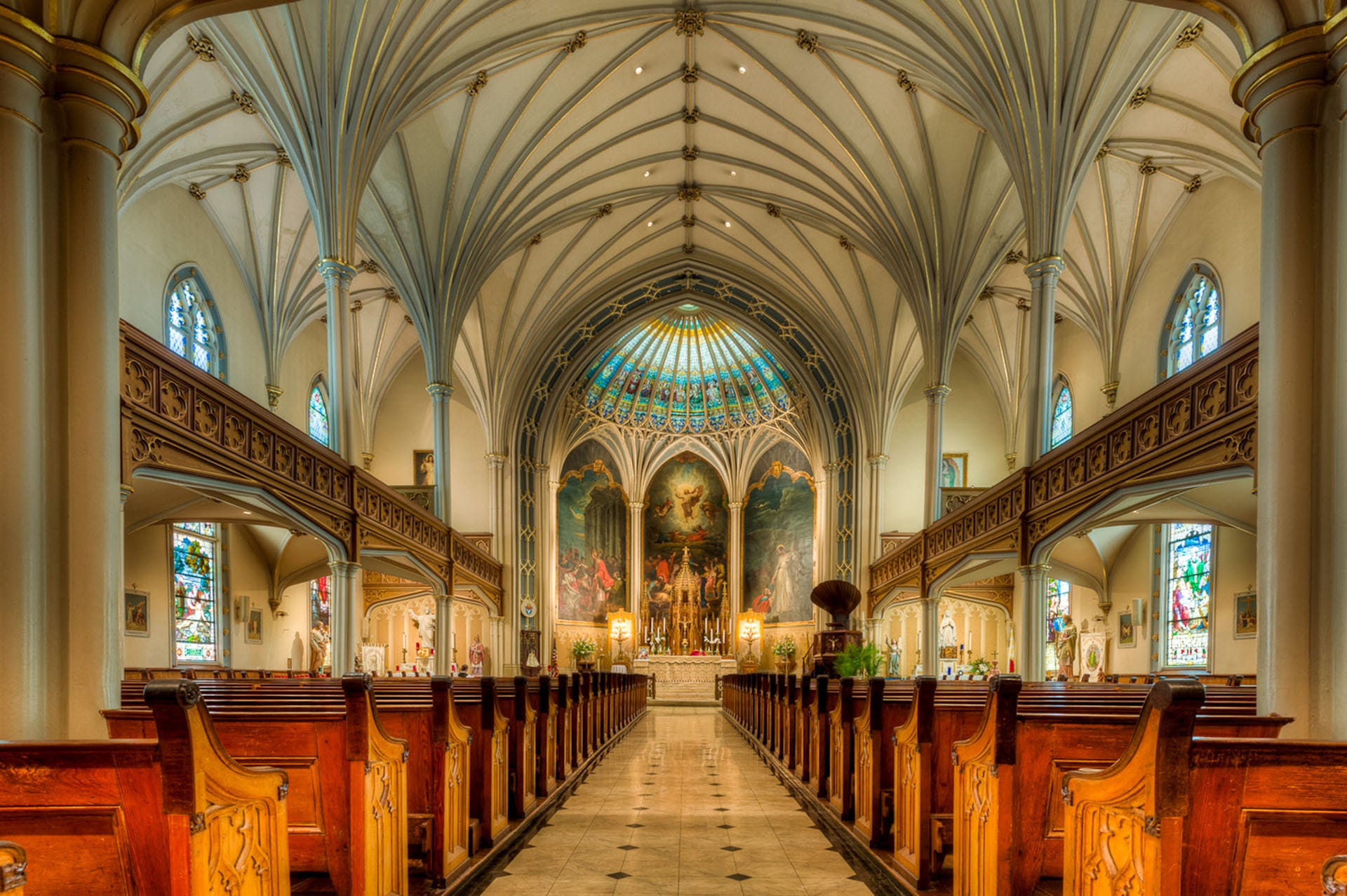
I’ve lived in the New Orleans area now for 21 years, and I have been to many of the area’s beautiful churches. But I had not been to historic St. Patrick’s Roman Catholic Church on Camp Street until yesterday. It is the congregation (and burial place) of a personal hero: the Rev. Fr. James Ignatius Mullon (1793-1866). Fr. Mullon was St. Patrick’s second pastor.
He served during the War for Southern Independence, as well as during the cruel federal occupation of New Orleans under the rule of Gen. Benjamin “Beast” Butler (1818-1893), whose ugliness was more than just skin deep
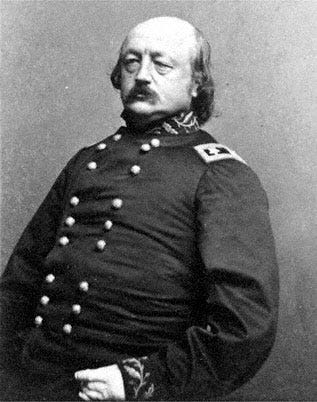
There are numerous great stories about Fr. Mullon’s cheeky resistance to Butler’s caprice. My favorite is when Butler confronted Mullon about his refusal to provide funerals for Union soldiers. Mullon replied, “General Butler, that is not true. I would gladly bury the entire Union army.” When Butler ordered Mullon to pray for President Lincoln in the Masses said at St. Patrick’s, Mullon replied that he prays for President Lincoln every day: “For his removal.”
The fruits of Fr. Mullon’s most lasting victory with Beast Butler was his refusal to surrender the church’s bells for the purpose of melting them down for Union ammunition. Mullon’s stubbornness and courage meant that those very bells ring out on Camp Street to this day.
Mullon was acting at personal risk. Federal occupation did not spare churches or pastors. In Columbia, South Carolina, federal troops lit some churches on fire and cut the hoses of the fire companies. They also turned other churches into horse stables, so as to humiliate pious Southerners. The Anglican parish priest in Richmond, Virginia was marched around town in his vestments and leg shackles when he balked at being told how to pray in the church’s liturgical services by occupation forces.
Fr. Mullon was not a young man when he set about resisting Gen. Butler. And Butler, who was not a Roman Catholic, had a healthy fear of Mullon. And I think that is a good and salutary thing when government officials are a little afraid of the church. Fr. Mullon made it clear where his loyalties lie, and would not give in to evil simply because his city was prostrate under a vindictive political general. Christ was, and is, still our King.
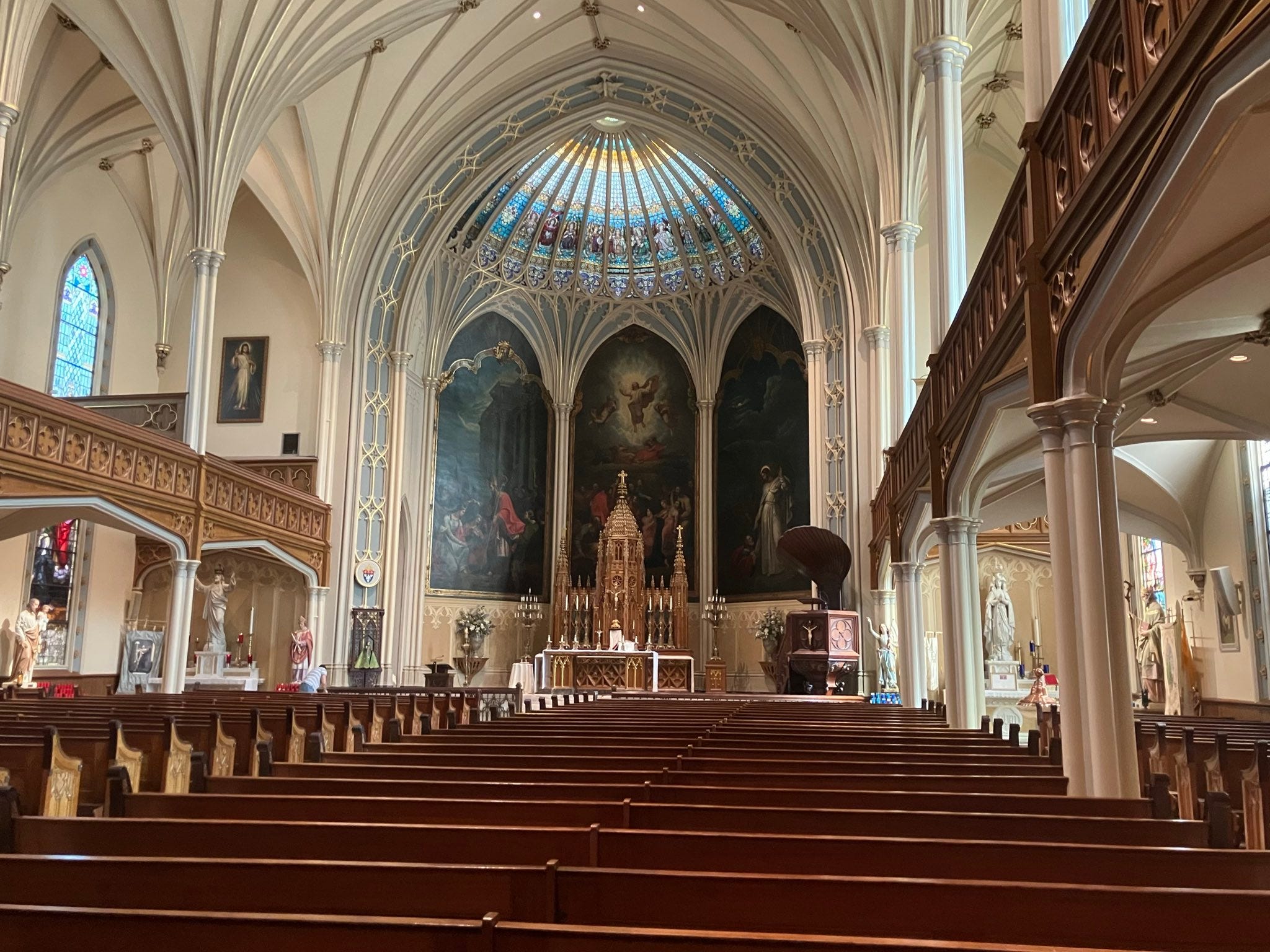
Fr. Mullon was the first of St. Patrick’s pastors, and Fr. Garrett O’Brien is her thirteenth. I’m grateful to Fr. O’Brien for showing me around. St. Patrick’s is beautiful, and it retains the old liturgical ways that are under attack these days. Fr. O’Brien says both the Tridentine (Latin) and the Novus Ordo Mass, making use of the ad orientem position, the communion rail, and the high altar. He is also a pilot, and a warm and hospitable pastor. I thoroughly enjoyed meeting him.
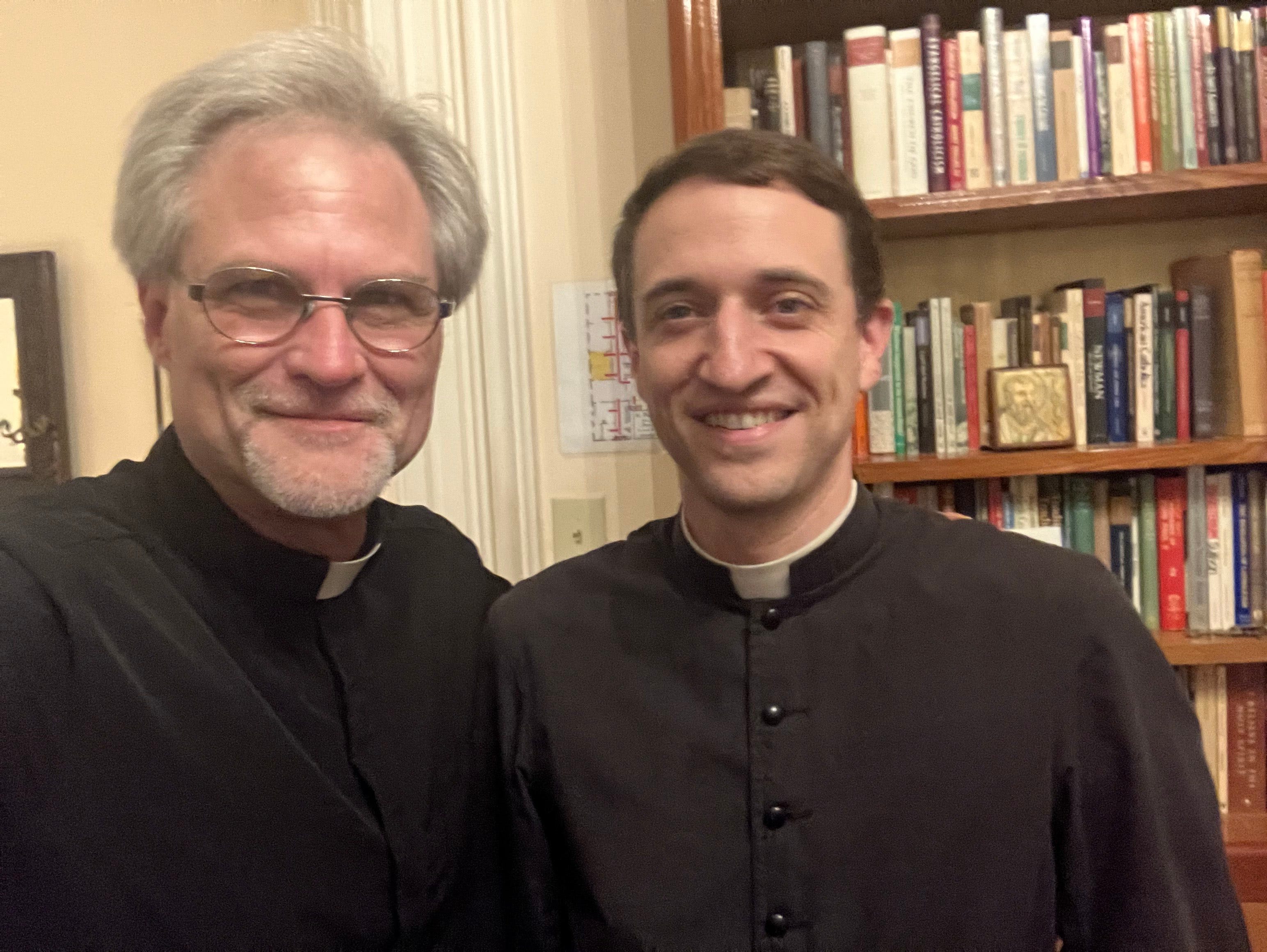
I was hoping to visit Fr. Mullon’s grave to pay my respects, but alas, nobody knows where it is. He is buried in the church somewhere, but the location of his tomb has been lost to time. Maybe it is fitting, as we have seen what has happened to the bodies of people like Fr. Mullon in recent years, being made an example of. So the entire building of the church he loved and served faithfully from 1833-1866 is his gravesite. It remains his home until our Lord raises him from the dead and reunites his flesh and spirit.
Requiestcat in pace!